
New in "Collector's Knowledge Compact": Recognising, understanding and assessing lens defects
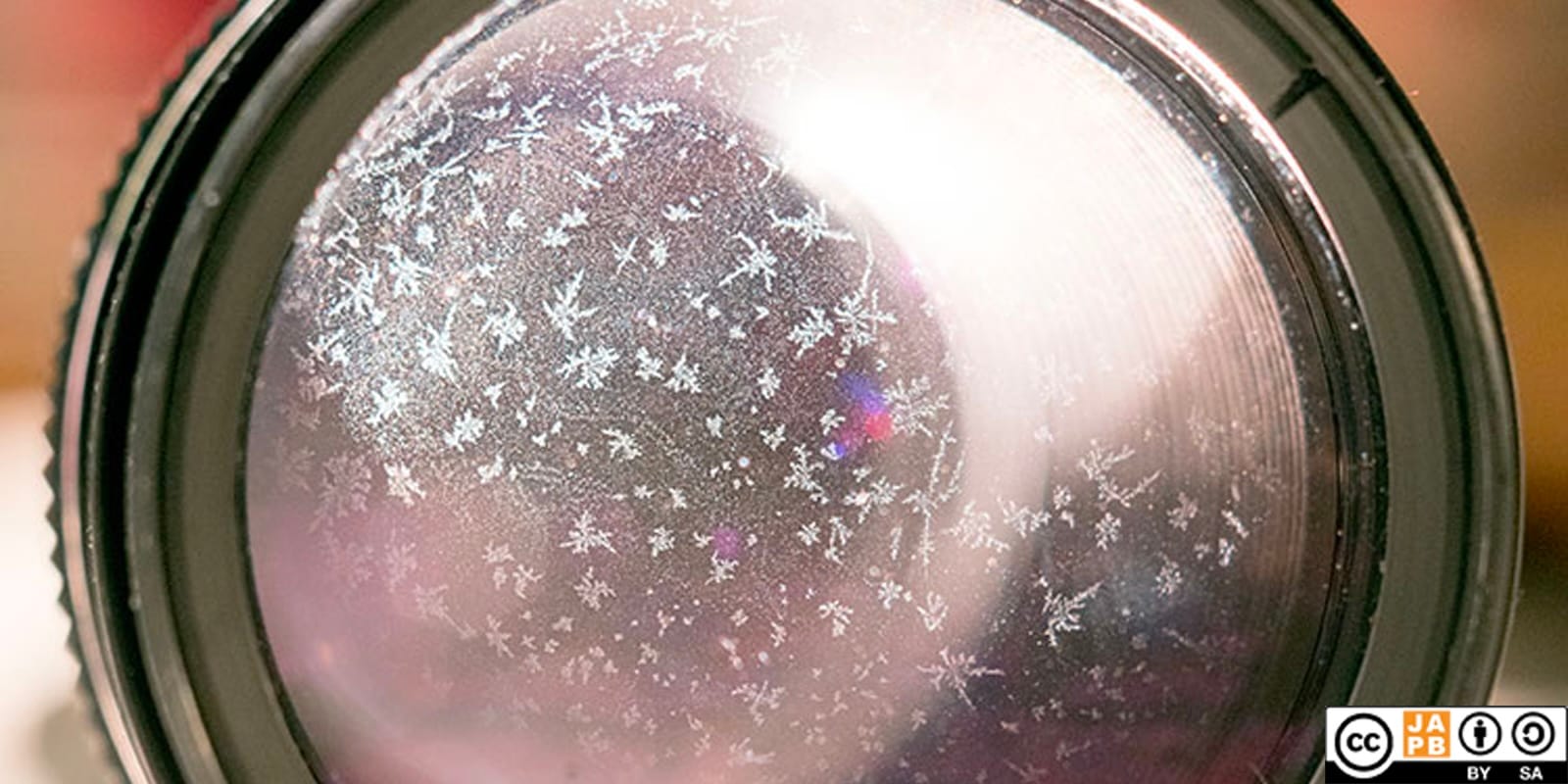
Fungus, lens clouding, putty faults, oily aperture blades, scratches, traces of cleaning or dust in the lens - almost every collector of classic cameras and lenses has encountered such faults. But what exactly is behind them? How can these defects be reliably recognised? How problematic are they really? And what can be done if necessary?
This is exactly where our new introduction "Lens defects" comes in. The Club Daguerre has published awell-founded and practical introduction on the Lens Diagnosispage, which explains typical defects in historical lenses in an understandable way and helps with their assessment.
The topics covered include
Fungus - lens clouding - putty defects - oily aperture blades - scratches - cleaning marks - dust and foreign bodies - defects on control elements - surface defects
The texts are courtesy of Pekka Buttler / JAPB.net, whose work has long enjoyed a very good reputation among collectors of historical cameras and lenses. The Club Daguerre has translated these helpful texts into German and made them available in German in this form.
Particularly important: The German version has been professionally checked by Werner Bayer (retired Schneider-Kreuznach customer service manager). This is no minor matter with a topic such as lens defects, because even minor conceptual inaccuracies can lead to misjudgements in practice - for example when describing the condition of a lens, when making a purchase or when deciding whether a defect is tolerable or not. The additional technical check therefore ensures that the texts are not only easy to read, but also technically reliable.
The special value of the new pages lies in the fact that they do not stop at mere definitions. It is not just about naming a fault, but also categorising it: What does it look like? What causes it? What consequences does it have in practice? Is it harmless, a nuisance or a real criterion for exclusion? These are precisely the questions that are crucial when buying, assessing the condition and also in your own day-to-day collecting.
The new introduction is therefore not only interesting for advanced collectors, but also for anyone who wants to become more confident when buying lenses or wants to understand more precisely for the first time what is behind the typical condition information.
Photo Antiquaria No. 167 also includes a summarising article on the subject, which provides an initial overview and refers to the new online introduction.
You can find the new introduction in our "Collector's Knowledge Compact" section and directly on the "Lens Diagnosis" page.