
Folding camera meets instant camera: The TTArtisan 203T and its ancestors
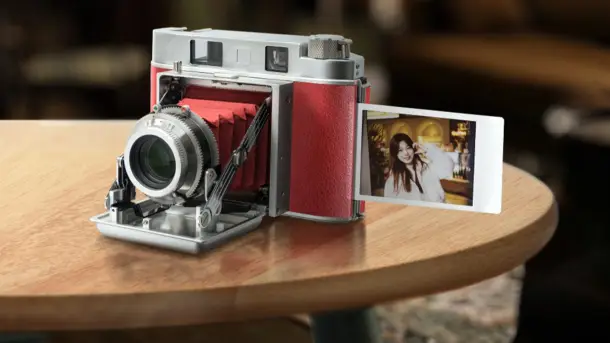
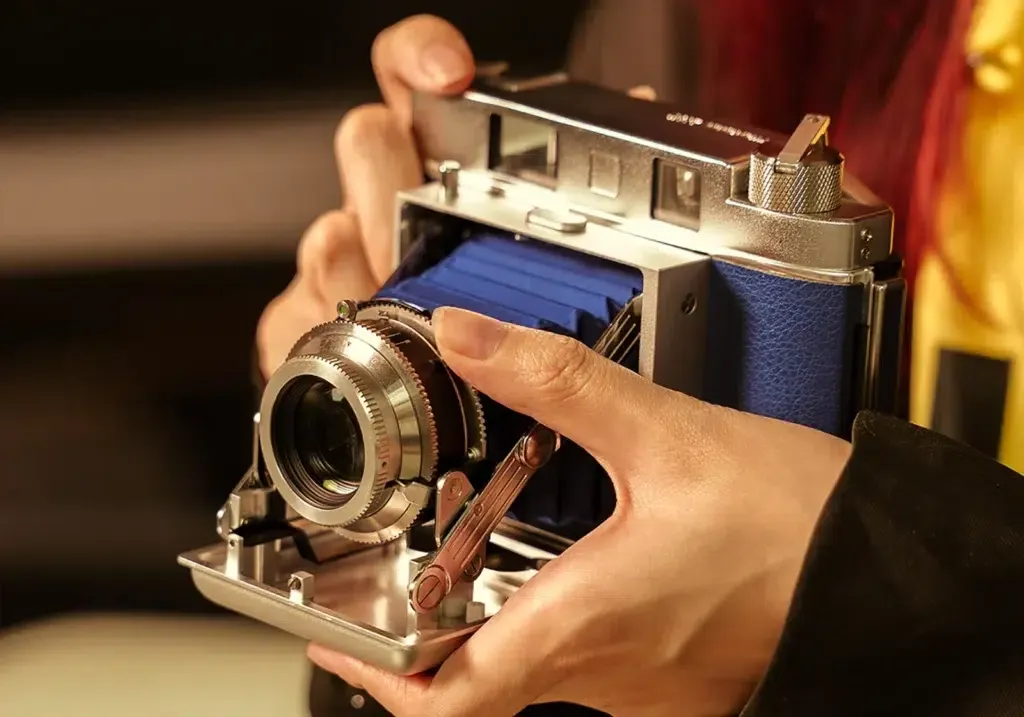
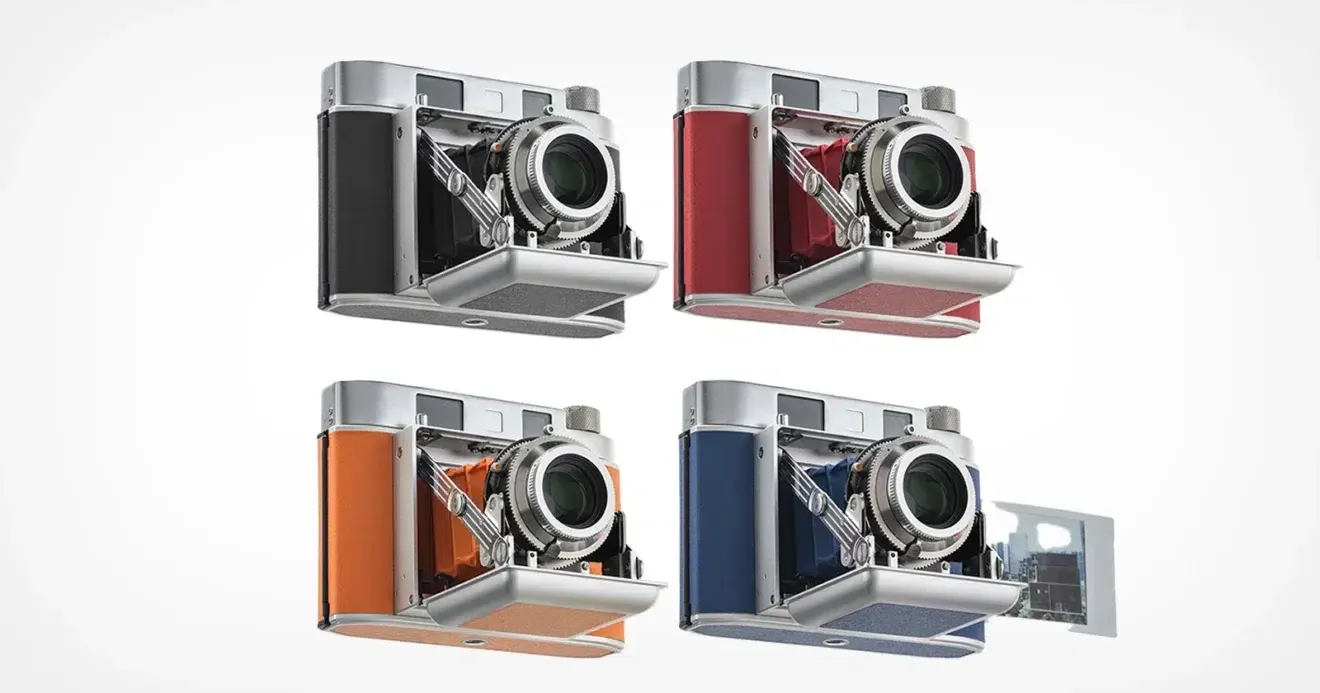
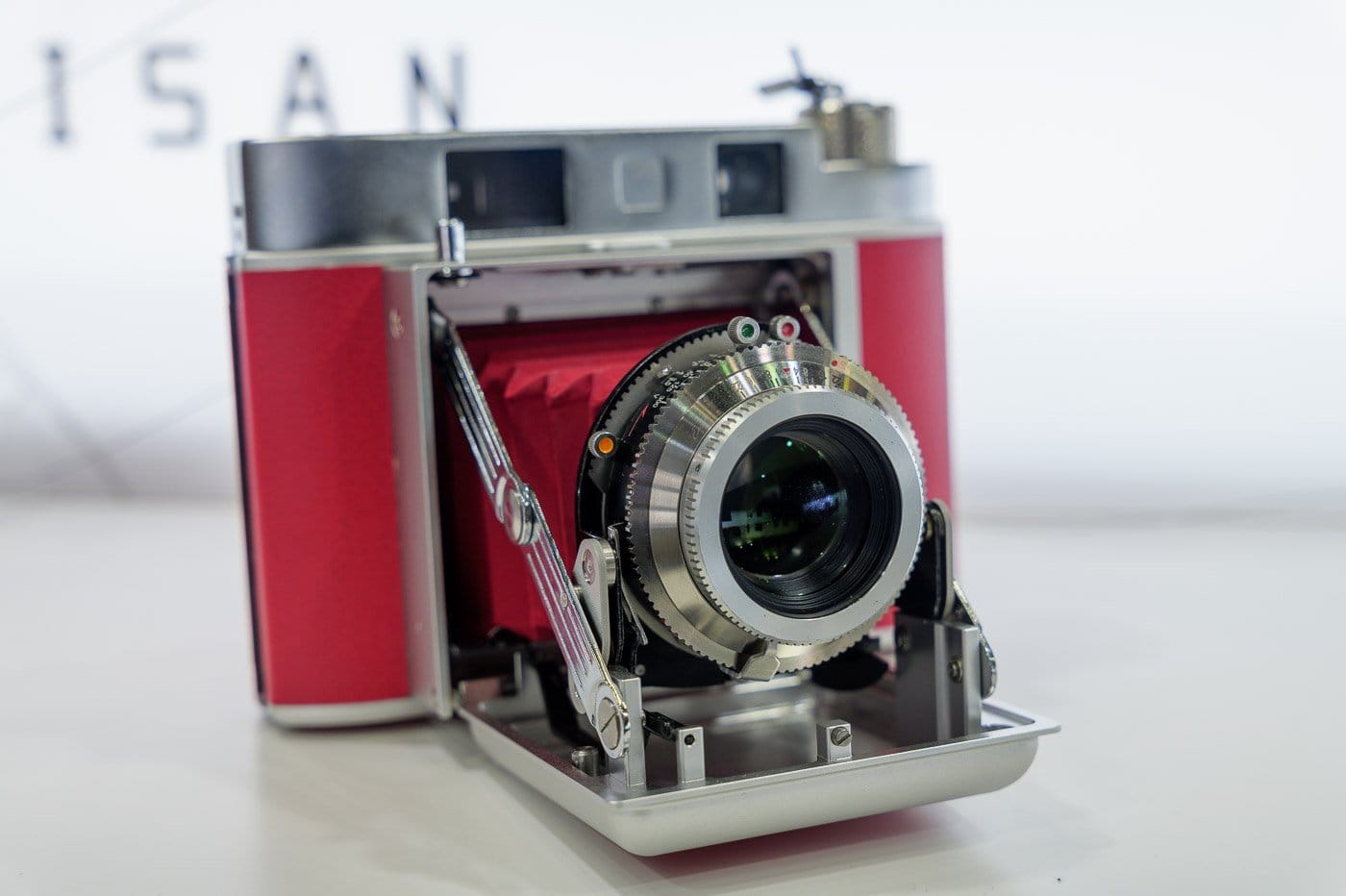
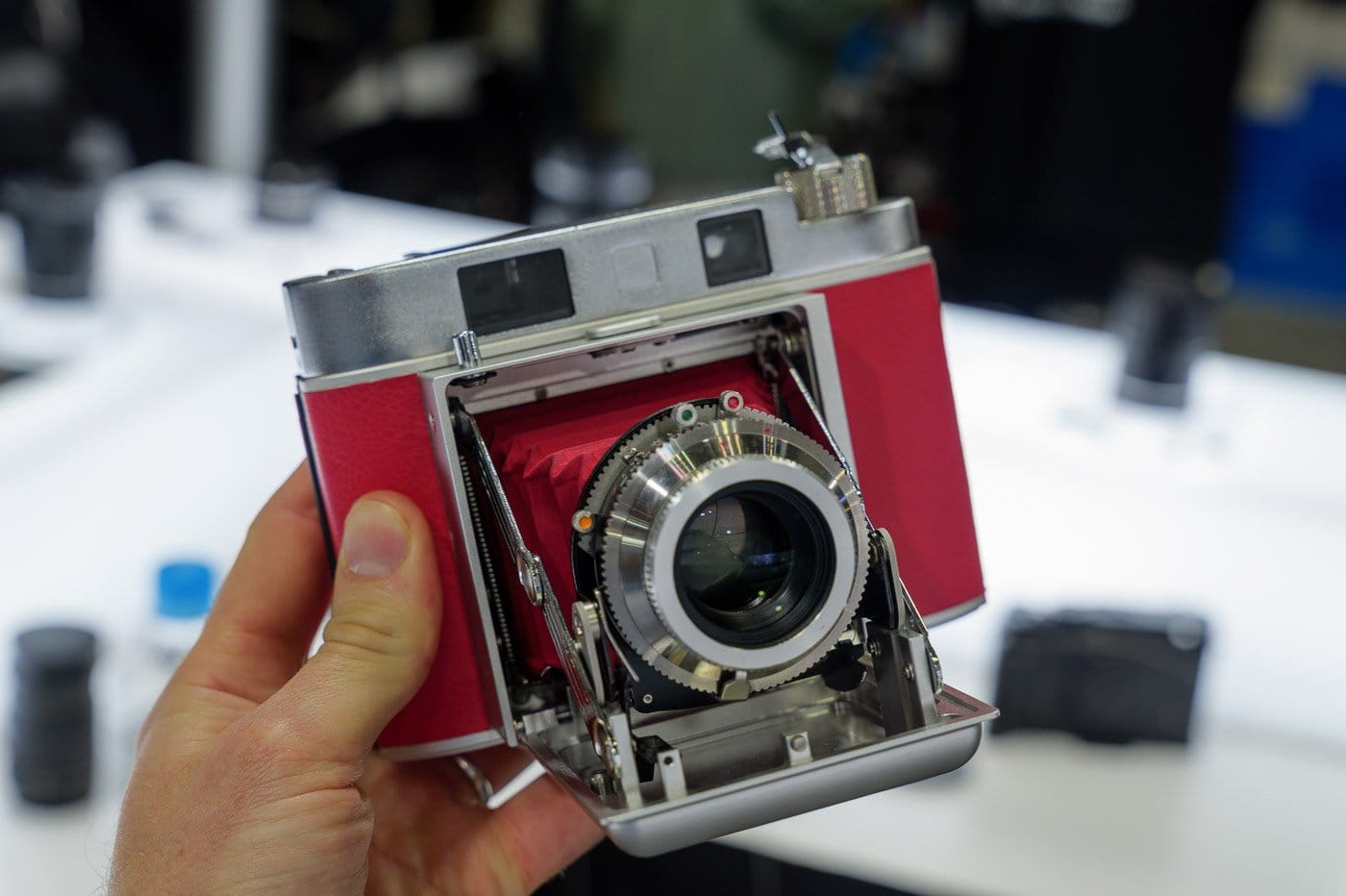
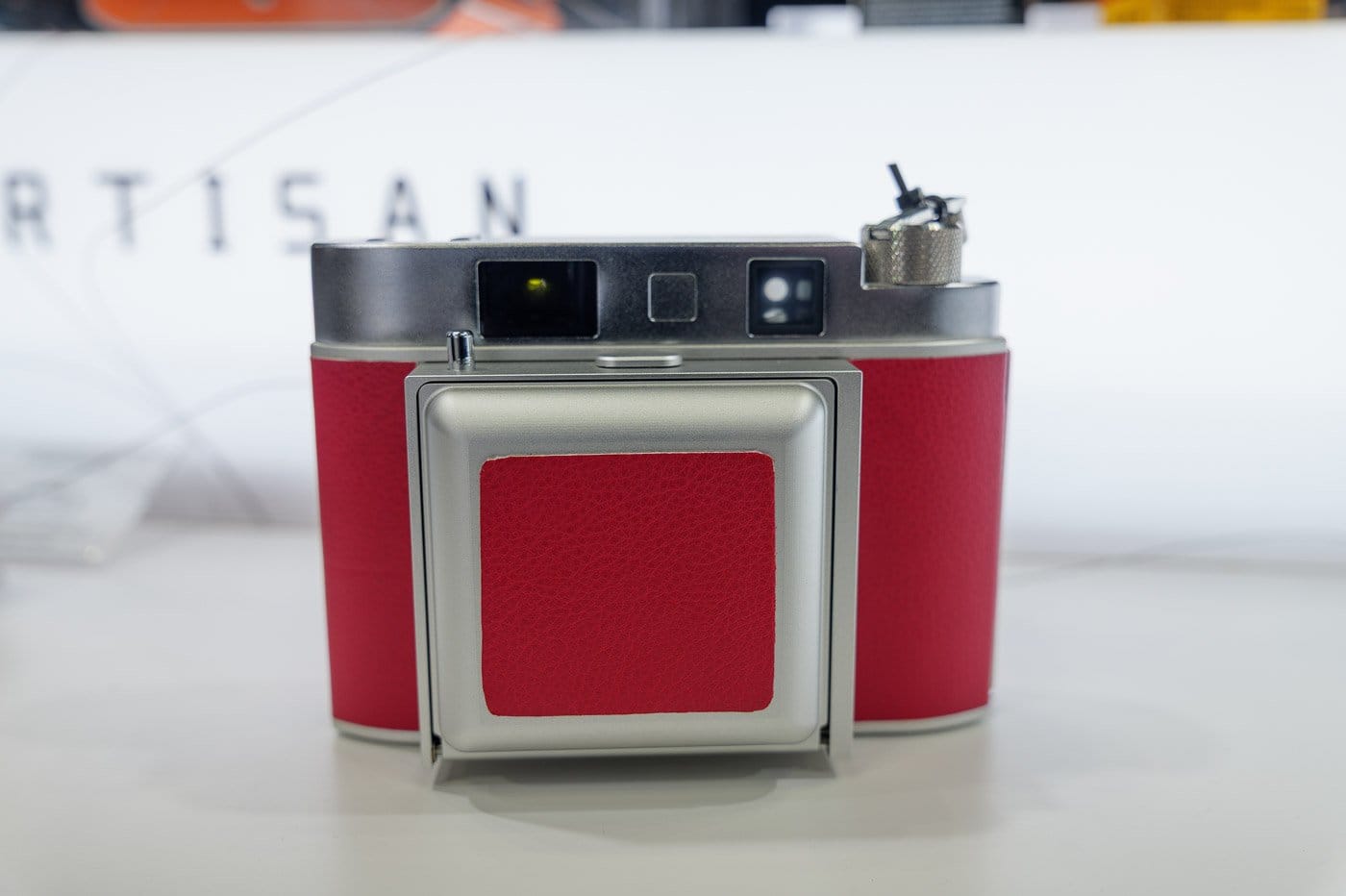
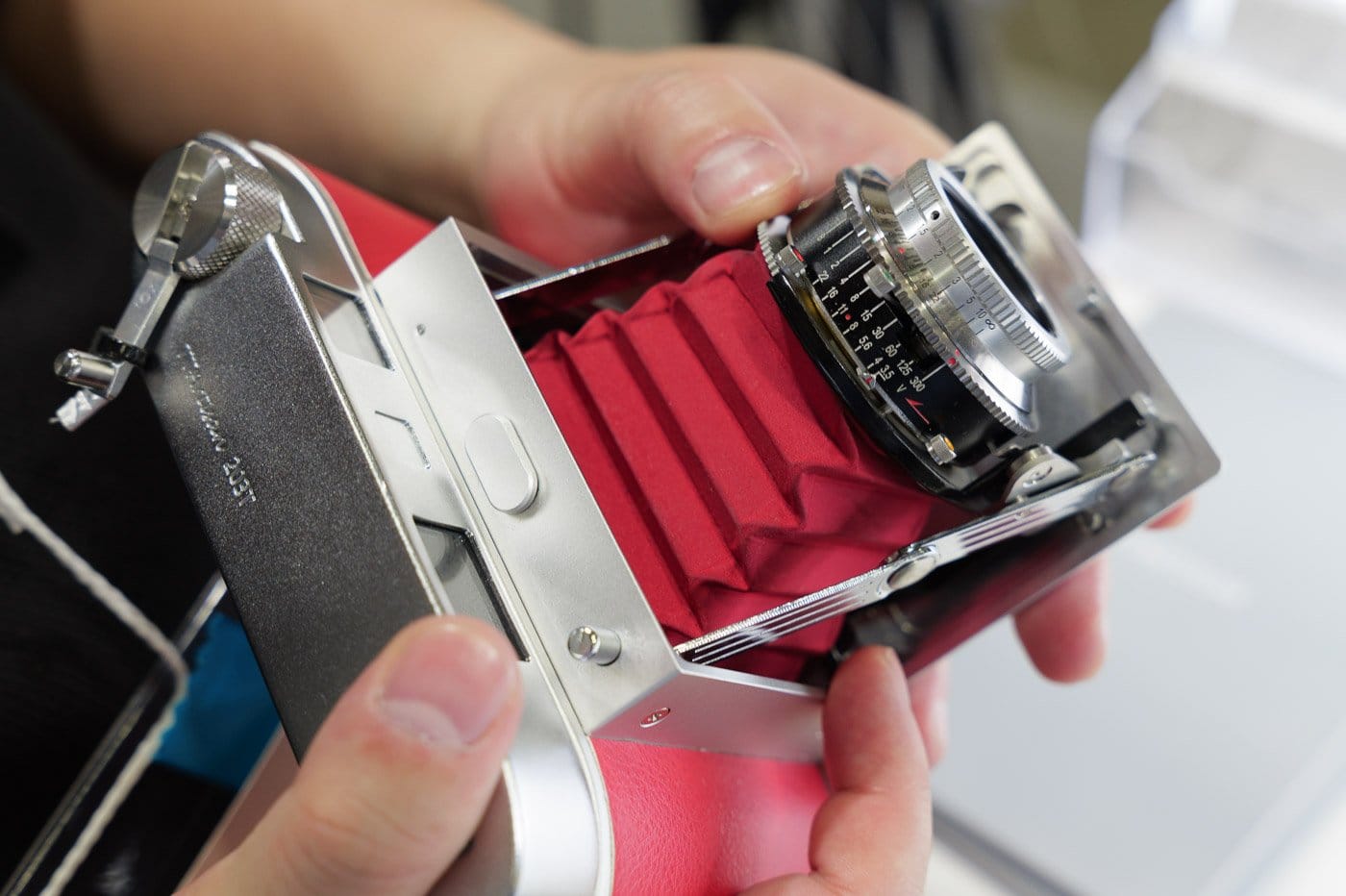
Different views of the TTArtisan 203T
Anyone with a question mark on their face when they hear the name TTArtisan is in good company. The Chinese company from Shenzhen is known in the photography world as a manufacturer of manual lenses for mirrorless system cameras: affordable fixed focal lengths based on historical models for Sony, Fujifilm, Nikon Z and the like, which have gained a loyal fan base in the videography and portrait scene. Now TTArtisan is taking the plunge from lens manufacturer to camera manufacturer and the move could hardly be more unexpected.
A camera with a history and even more stories behind it
The 203T is a folding instant camera in retro style. Bellows, metal mechanism, manual focus, no light meter. That sounds like the 1950s, and that is exactly what was intended. Anyone opening the device will inevitably think of a medium format device from the post-war period, not a camera that uses Fujifilm Instax mini film.
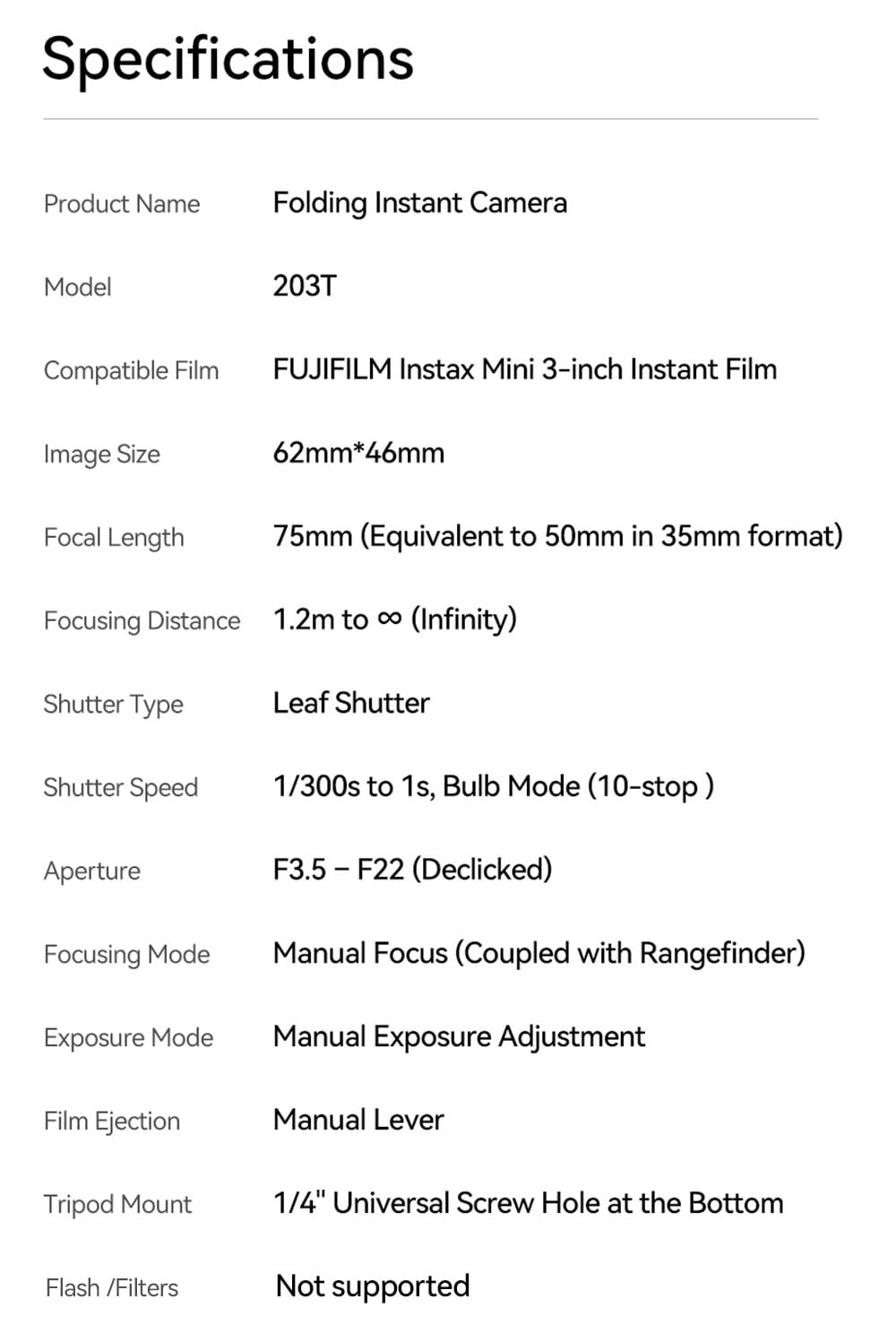
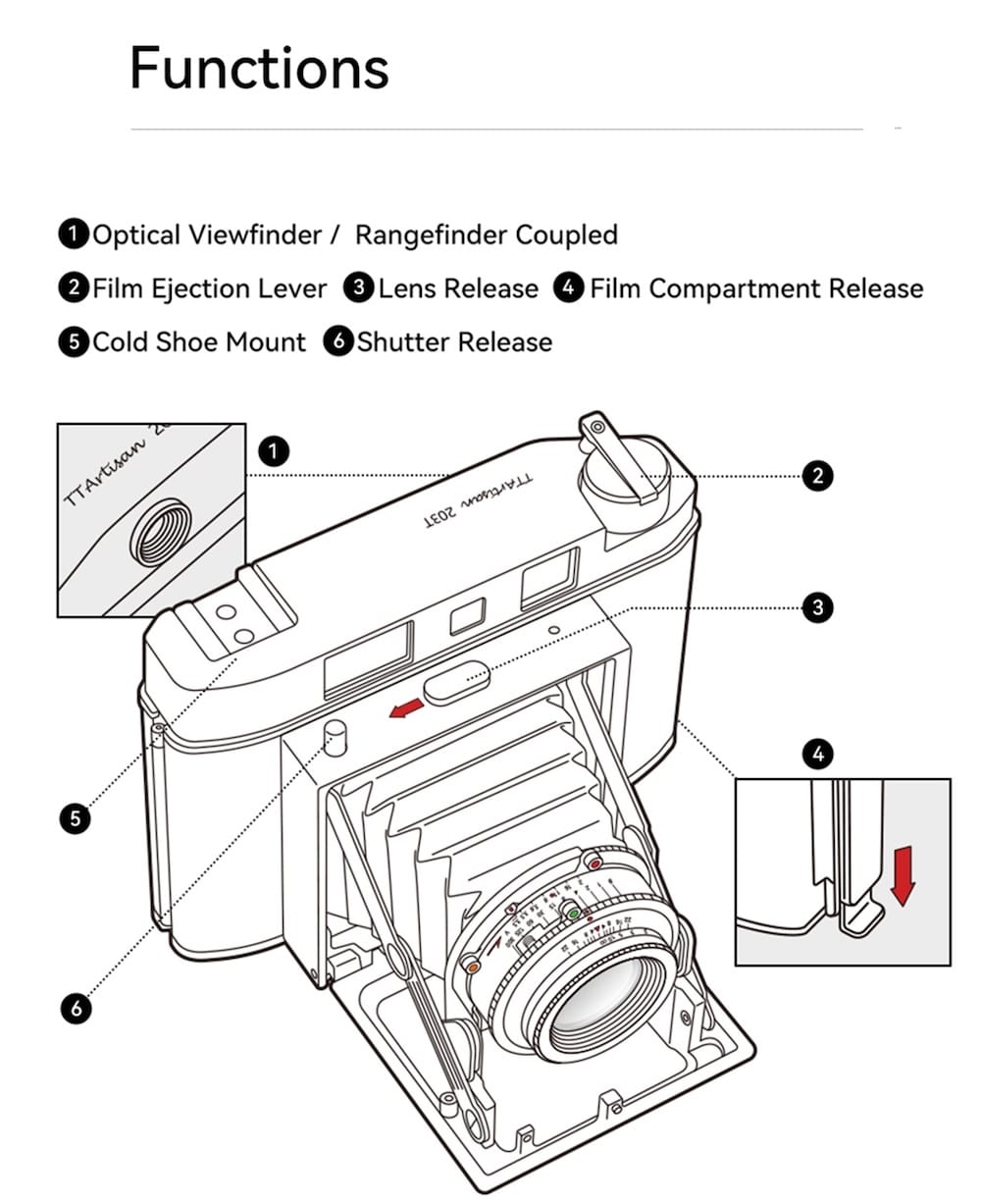
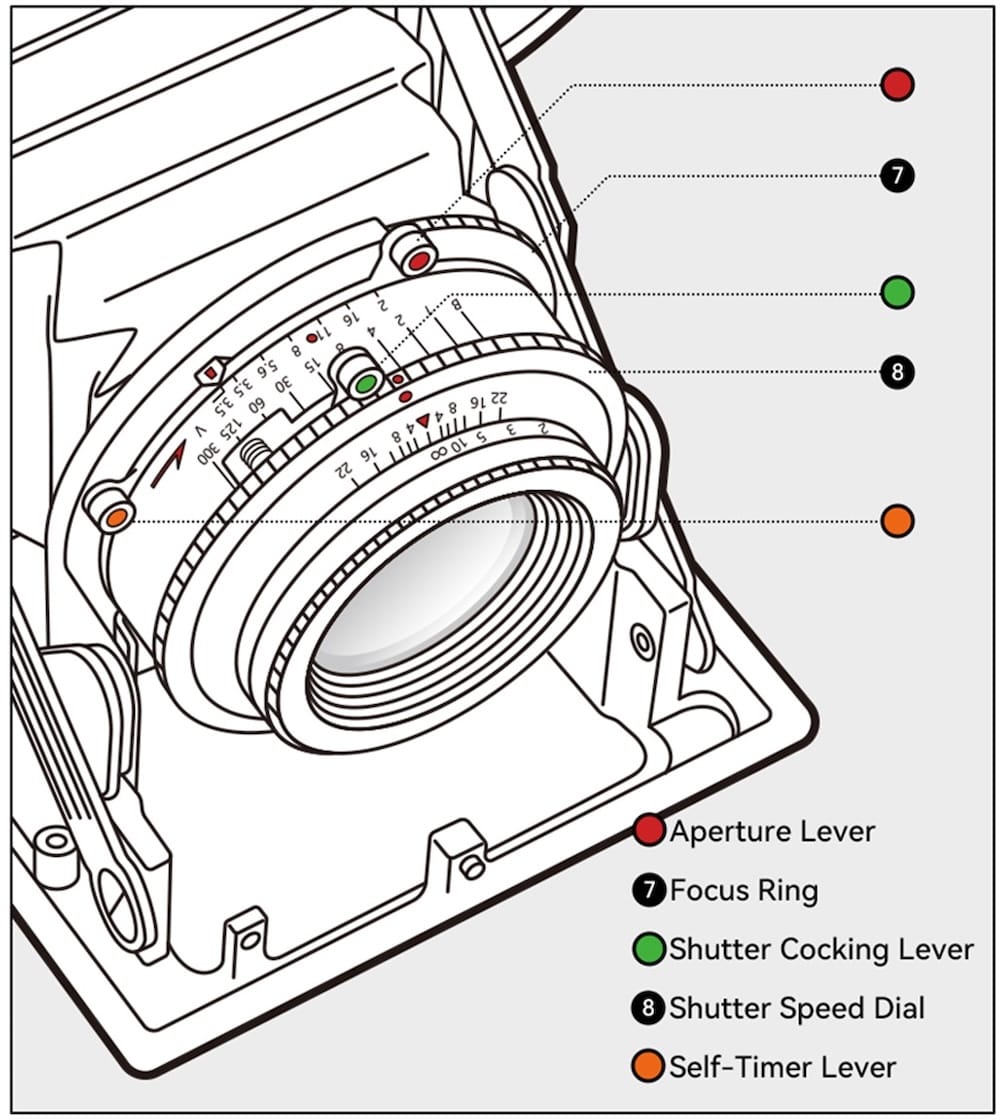
And therein lies the real joke of this design: Technically, the 203T is an instant camera for that handy small format that we are otherwise familiar with from colourful plastic cases for teenage parties. But the 203T is the exact opposite. It has a 75 mm f/3.5 lens in classic Cooke triplet design (equivalent to approx. 50 mm in 35 mm format), a central shutter from 1 second to 1/300 s, film transport by spring mechanism and, most remarkably, no battery at all. The camera is purely mechanical. A bulb mode for long exposures is available. There is no light meter; you have to think for yourself when taking pictures.
A camera travelling through time
The camera is called 203T and the name is no coincidence. It refers to the Shanghai 203, which was created in 1963 in the People's Republic of China and was marketed a year later as the Seagull 203 (海鷗 203).
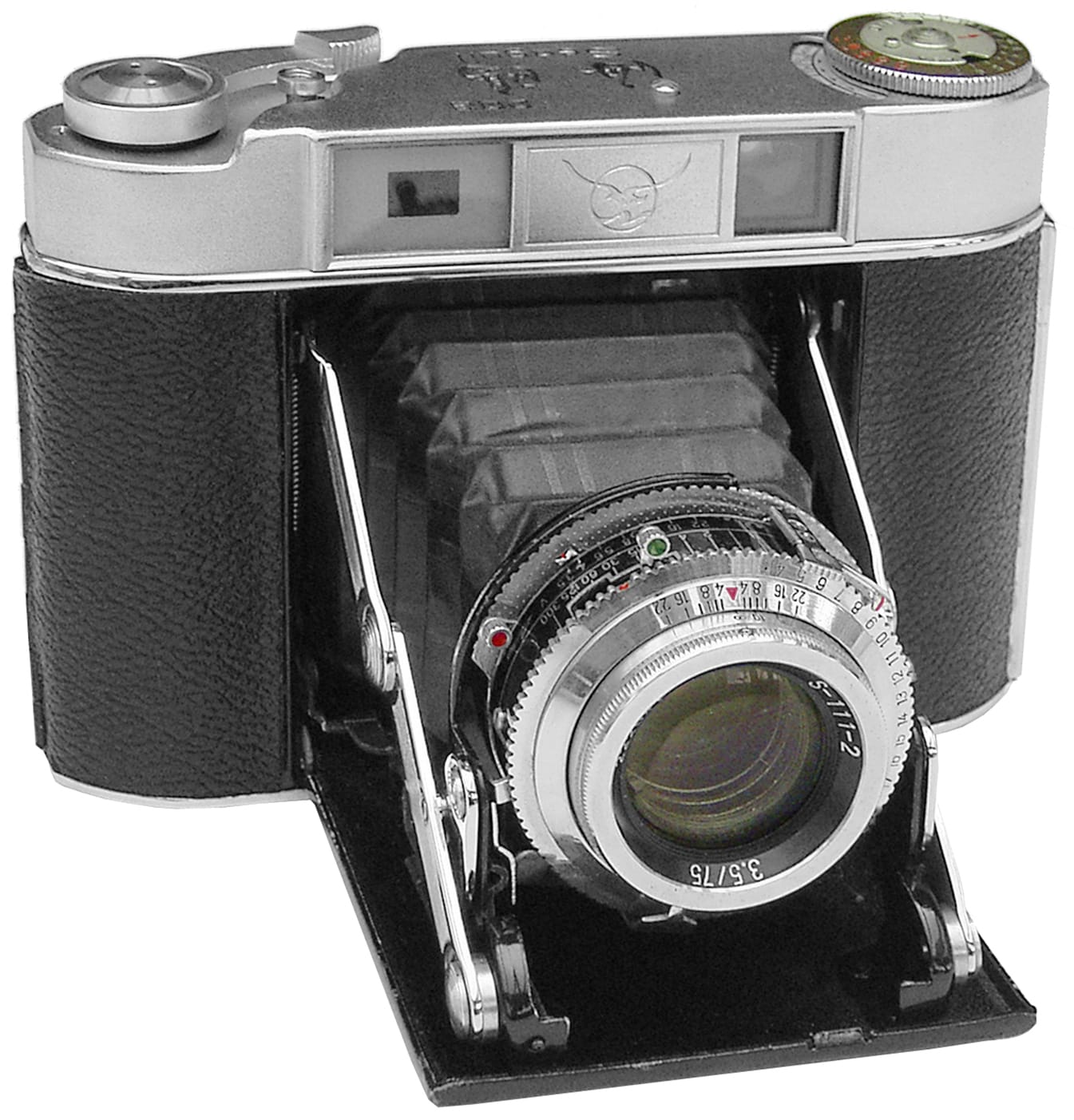
Its pedigree follows a clear Cold War logic. The Soviet Union provided the model for the Seagull in the Iskra, a well-crafted 6×6 folding camera that is highly coveted by collectors today. The Chinese, in turn, copied the Russians.
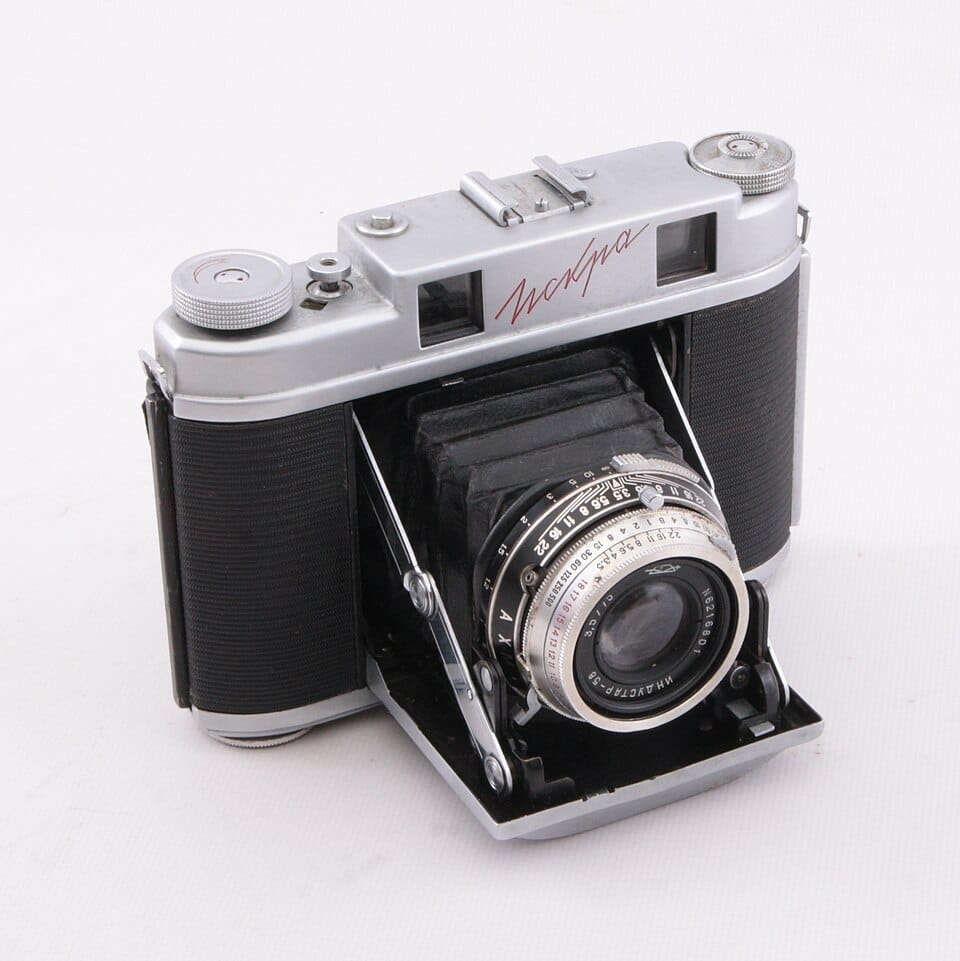
However, they were unable to licence the Iskra because Khrushchev and Mao had fallen out in the meantime. So the Shanghai Camera Factory sourced its components from the GDR: rangefinder components and lens elements for the Anastigmat 3.5/75 came from Carl Zeiss Jena and were only assembled in Shanghai.
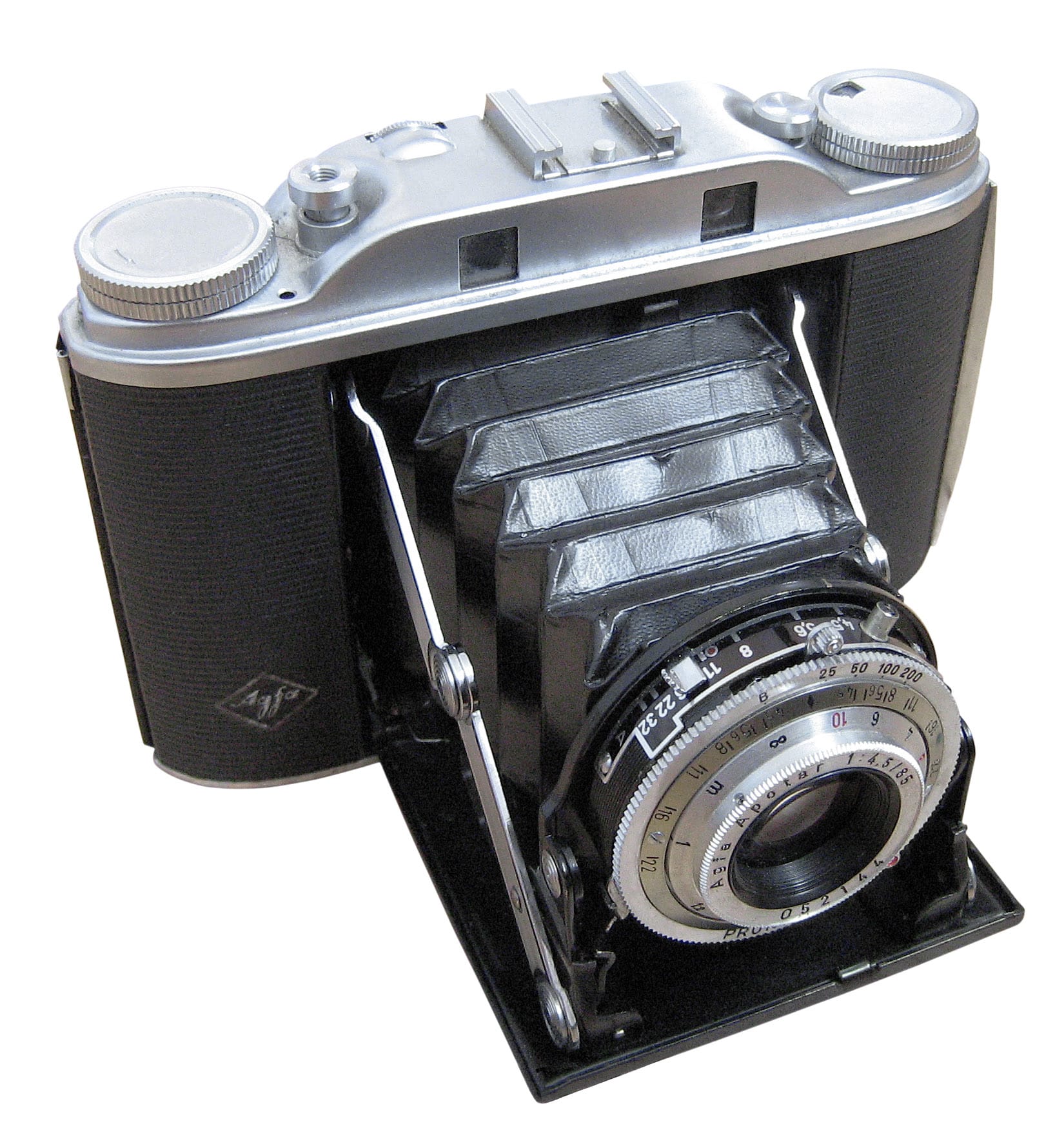
The West German role model of the role model of the role model were the 6×6 folding cameras with coupled rangefinder of the early 1950s: above all Agfa Super Isolette and Zeiss Ikon Super Ikonta III/IV, both technically similar, both with central shutter.
In brief: West Germany → Soviet Union (Iskra) → China (Shanghai/Seagull 203, with East German Zeiss components) → TTArtisan 203T. A camera that travelled right through the Cold War before being reborn in the 21st century as an Instax instant camera.
The rocky road to market maturity
The 203T was presented for the first time at the CP+ 2025 trade fair in Yokohama, with a target release date of autumn 2025 for around 300 US dollars. Then: silence. No news for months, no launch date. Rumours made the rounds that Fujifilm might have put pressure on TTArtisan - after all, Instax-Mini is Fujifilm's most lucrative film division, and a high-quality third-party camera could disrupt the carefully guarded ecosystem. This was never confirmed.
In March 2026, the 203T then reappeared, not as a regular retail product, but via an invite-only beta programme for 400 US dollars: Apply, answer technical questions, most importantly: disclose social media presence. Pay: yes. Choose a colour: no. For normal consumers, the rumour of an autumn 2026 release date is circulating. Official confirmation is still pending.
Retro as a costume
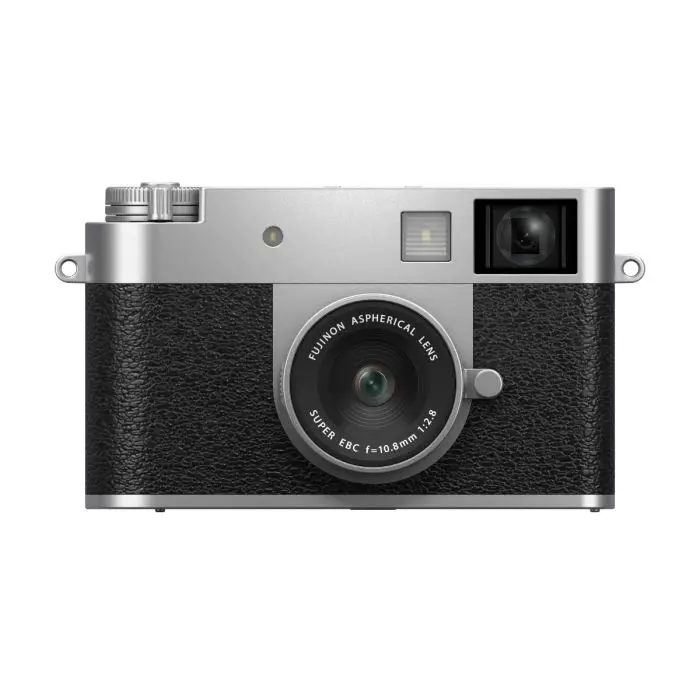
The 203T is not the only camera currently advertising nostalgia: it's just the most sincere. A quick look at Fujifilm is enough for comparison. The X half (799 euros) is a digicam that simulates the analogue "experience". A seemingly bizarre detail: you have to press the "transport lever" after each shot. The digital images are "developed" in the app.
The Instax Mini Evo Cinema (approx. 420 euros) is unmistakably reminiscent of the Braun Nizo of the 1970s. These Super 8 cameras, designed under the influence of Dieter Rams, made industrial design history because form and function were still inseparable. The result of the homage: five megapixels, a QR code on the Instax print and an "Eras Dial" with decade filters. The housing quotes Dieter Rams, the content is for TikTok.
This is no criticism of Fujifilm. The market wants it that way, and Fujifilm serves it with commercial success. But it's costume, not character.
Honesty as a design principle
Against this background, the TTArtisan 203T seems almost anachronistic, and that is precisely its strongest argument.
It does not deceive anyone. The bellows fold up to save space and protect the lens. The spring mechanism transports the film. The central shutter has to be cocked because it has a spring that has to be cocked. There is no algorithm that subsequently enhances the image, no mode that simulates craftsmanship while electronics do the work.
The fact that the road to market readiness was bumpy, the beta programme seems conceptually strange and the random colour allocation may annoy some: a small company that is building a camera for the first time and is obviously fighting against considerable resistance is forgiven. What is more important is the end result: a mechanical tool with a clear stance that is more sincere to its historical role models than many a manufacturer who might claim their heritage as their own.
In an industry where nostalgia has become the packaging for digital convenience, this is no small thing. It is an attitude. And attitude is rarer than any collector's item.
(Image sources: Images of current cameras from the respective manufacturers, historical cameras: Wikipedia)